
When self-defence becomes a legal process rather than a moral consideration
Whenever a firearm is discharged during a self-defence incident, the circumstances may be investigated. Police need to establish what happened, why the firearm was used and whether the force applied was legally justified. Even if you believe you acted lawfully, you may find yourself facing a police investigation or potentially being charged with a serious offence, such as attempted murder, murder, culpable homicide or assault. Call Firearms Guardian.
Farm Attacks in South Africa: Why lawful firearm ownership for self-defence is important
Farm attacks affect more than farm owners. Employees, family members, farm dwellers and others living and working on agricultural properties are also vulnerable. The violent nature of some attacks, particularly those involving armed intruders entering homes, highlights the importance of effective security and the ability to respond to an immediate threat.
A panga, a pistol and the limits of self-defence
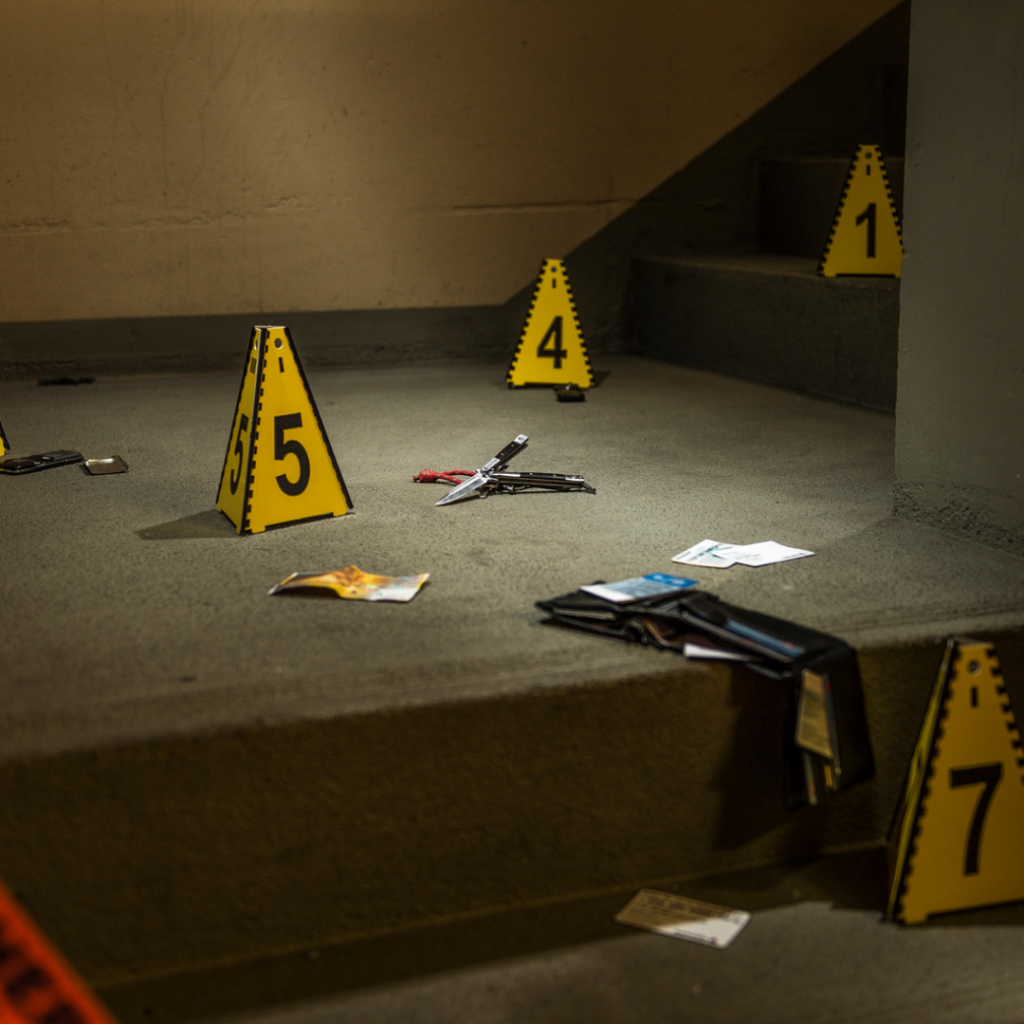
Proportionality requires attention to the actual encounter. Weapons matter, but so do distance, movement, visibility and the immediacy of the danger.
You carry a firearm. Do you have a plan for what comes next?

What authority do community patrol members actually have? What should you say when police arrive after a defensive shooting? How can more women access training and lawful ownership?
You protect your community. Who protects you when a CPF patrol ends in court?
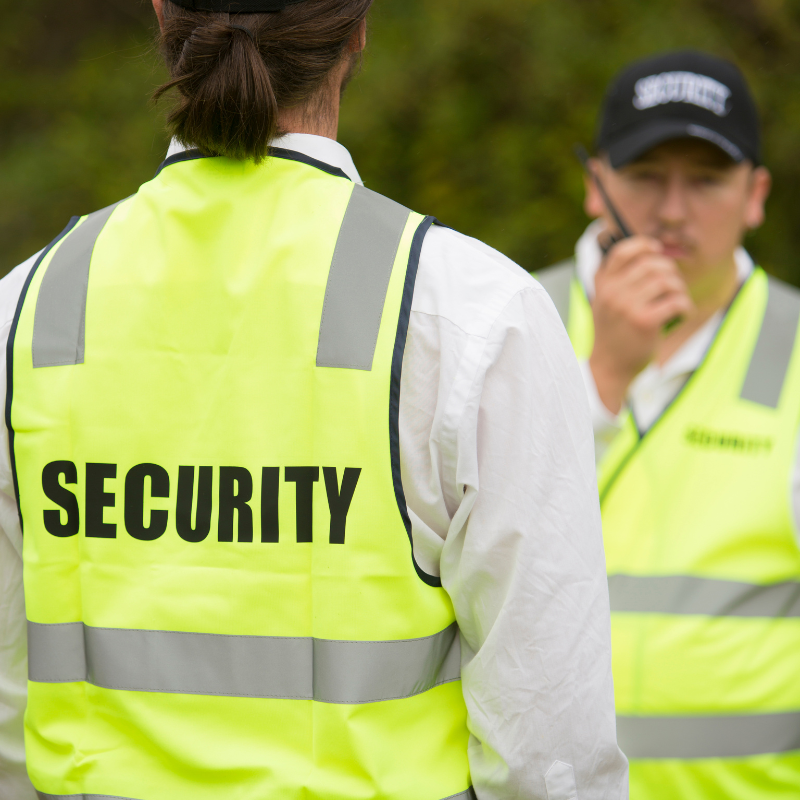
You volunteer your time. You patrol your neighbourhood. You help when someone is in danger. But if an intervention leads to an arrest, a firearm incident or a claim for damages, can you count on your relationship with SAPS to protect you?
Would taking guns away from law-abiding citizens stop crime and save lives? Why a gun free South Africa isn’t the answer
According to a written parliamentary reply by Acting Police Minister Firoz Cachalia in July 2026, 41,297 people were murdered using unlicensed firearms during the four financial years from 2022/23 to 2025/26. According to his reply, during the same period, 393 people were murdered using firearms legally owned by licensed individuals. In other words, approximately 99.1% of the firearm-related murders recorded in these figures involved unlicensed firearms, compared with 0.9% involving firearms licensed to the owner.
How South African law determines whether self-defence was lawful
South African law does not judge a self-defence incident based on the outcome alone. Investigators and the courts consider the circumstances leading up to the incident, whether there was an unlawful and immediate threat, whether the force used was necessary and whether the response was reasonable in the circumstances.
The first 72 hours after a self-defence incident: What legal support should look like
The first 72 hours after a self-defence incident are often the most legally significant. Evidence is gathered, statements are taken and important decisions are made while those involved are still dealing with shock and trauma.
No injuries, no case? Why firearm owners can still be arrested after a self-defence incident

Many firearm owners assume that if nobody is injured, there can be no criminal case. The reality is that an arrest, criminal investigation and legal expenses can arise even when no shots are fired and nobody is harmed.
The incident – seconds. The legal process – months. What to expect after a shooting incident.
An arrest does not automatically mean that a person acted unlawfully. Nor does it mean they will ultimately be prosecuted. However, it can mean dealing with detention, bail proceedings, consultations with legal representatives and court appearances while the matter is being investigated.