
You carry a firearm. Do you have a plan for what comes next?

What authority do community patrol members actually have? What should you say when police arrive after a defensive shooting? How can more women access training and lawful ownership?
You protect your community. Who protects you when a CPF patrol ends in court?
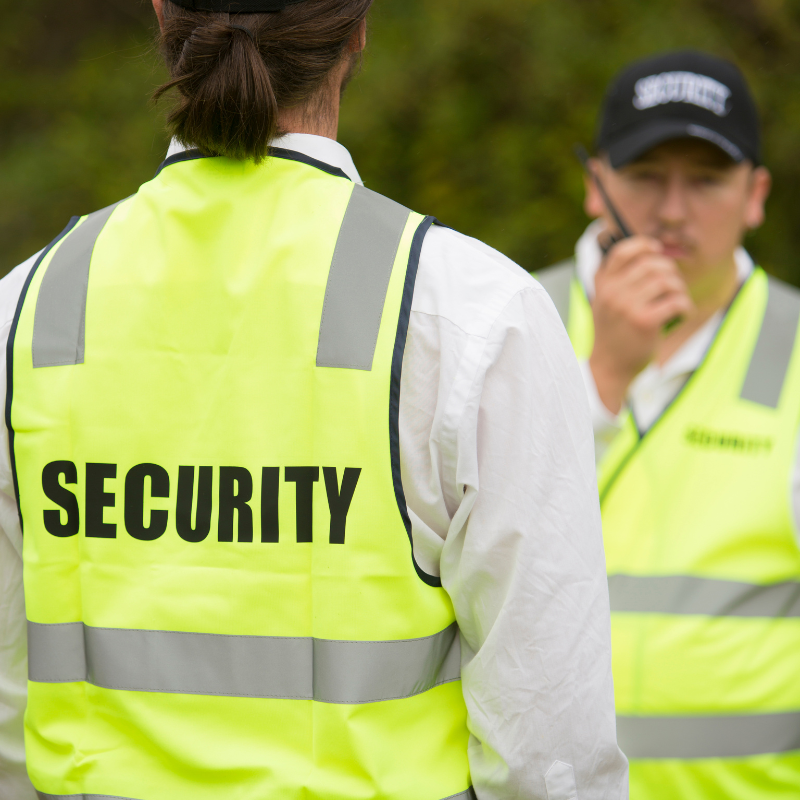
You volunteer your time. You patrol your neighbourhood. You help when someone is in danger. But if an intervention leads to an arrest, a firearm incident or a claim for damages, can you count on your relationship with SAPS to protect you?
Would taking guns away from law-abiding citizens stop crime and save lives? Why a gun free South Africa isn’t the answer
According to a written parliamentary reply by Acting Police Minister Firoz Cachalia in July 2026, 41,297 people were murdered using unlicensed firearms during the four financial years from 2022/23 to 2025/26. According to his reply, during the same period, 393 people were murdered using firearms legally owned by licensed individuals. In other words, approximately 99.1% of the firearm-related murders recorded in these figures involved unlicensed firearms, compared with 0.9% involving firearms licensed to the owner.
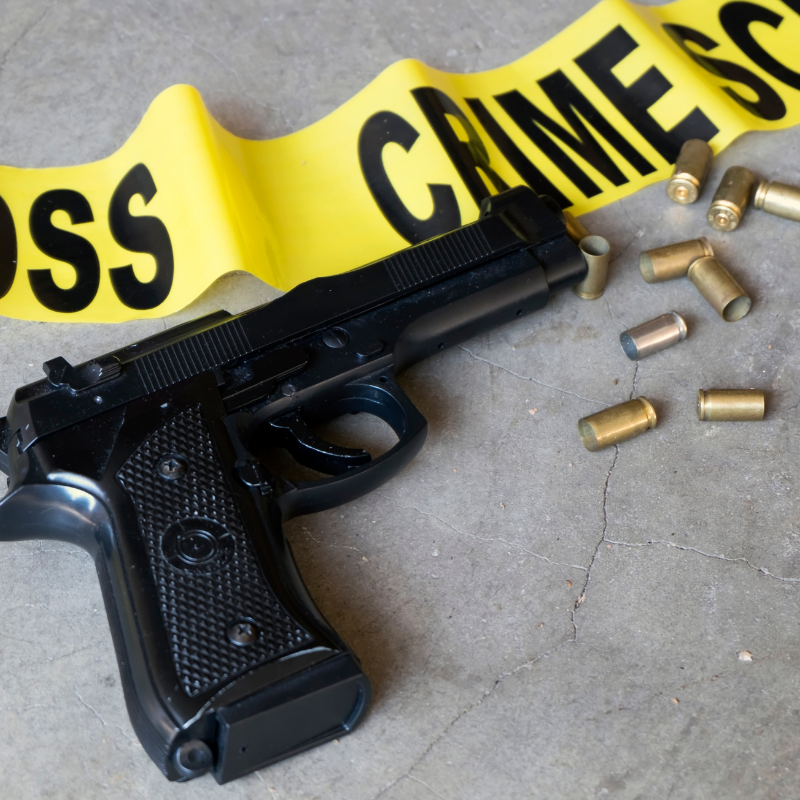
The shot was fired. Now what??
Legal advice is available from the inception of the policy, with access to a nationwide panel of experienced attorneys and advocates. Assistance is available 24 hours a day, seven days a week, and where required, assistance can be provided at the scene of an incident.
How South African law determines whether self-defence was lawful
South African law does not judge a self-defence incident based on the outcome alone. Investigators and the courts consider the circumstances leading up to the incident, whether there was an unlawful and immediate threat, whether the force used was necessary and whether the response was reasonable in the circumstances.
No injuries, no case? Why firearm owners can still be arrested after a self-defence incident

Many firearm owners assume that if nobody is injured, there can be no criminal case. The reality is that an arrest, criminal investigation and legal expenses can arise even when no shots are fired and nobody is harmed.
The incident – seconds. The legal process – months. What to expect after a shooting incident.

An arrest does not automatically mean that a person acted unlawfully. Nor does it mean they will ultimately be prosecuted. However, it can mean dealing with detention, bail proceedings, consultations with legal representatives and court appearances while the matter is being investigated.
Legal opinion: Ammunition limits for firearm owners who hold both a Section 13 licence for self-defence and a Section 16 licence for dedicated sport shooting

At the centre of the issue is the interpretation of Section 90 of the FCA, which limits ammunition possession to 200 rounds per firearm, but provides an exemption for individuals who are dedicated hunters or sports persons. The key legal question is whether this exemption applies to the individual as a whole, or only to firearms licensed under Section 16.
Why statements given too early can complicate a self-defence case

Self-defence cases are assessed against strict legal criteria. The immediacy of the threat, the proportionality of the response, and the absence of alternatives all play a role.
A statement given too quickly may unintentionally weaken how those elements are understood. Phrasing, assumptions, or attempts to justify actions in the moment can introduce ambiguity.
Why “I’ll deal with it if it happens” is a risky legal strategy

A self-defence incident does not end when the immediate threat is stopped. It develops into a legal process that can be complex, technical, and costly.